The quarter-inch rule
If a pencil fits through the gap, a mouse fits through the gap. Nearly all rodent-proofing is that one fact repeated.
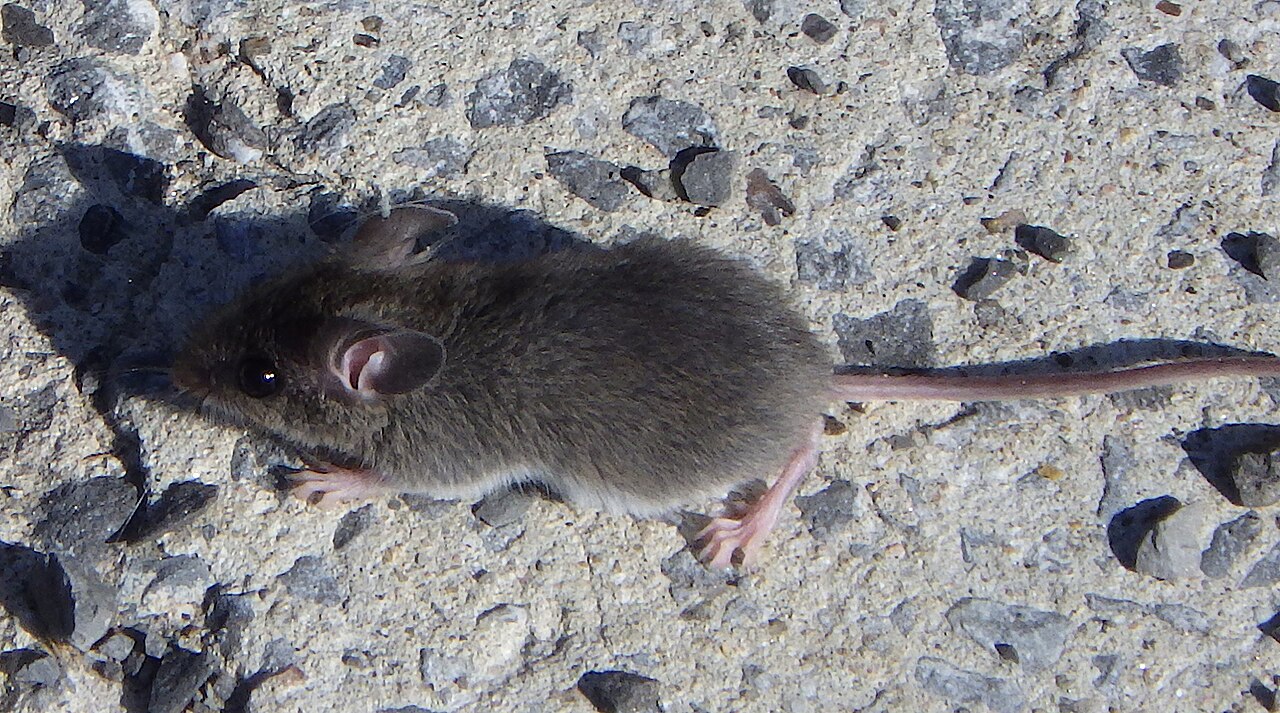
What it is
Walking your storage buildings with a flashlight and closing every opening larger than a quarter inch — with metal, because metal is the only thing that holds.
The numbers
- A house mouse passes through about ¼ inch. A rat needs about ½ inch and will gnaw a smaller hole into a usable one.
- Mice chew wood, drywall, plastic buckets, foam insulation, soft mortar and thin aluminum. They do not get through ¼-inch hardware cloth or sheet steel.
- A single mouse contaminates far more than it eats — droppings and urine condemn a bin, not the eaten fraction.
- Keep a 12–18 inch clear strip around storage buildings. No stacked wood, no pallets against the wall, no tall grass.
Why it's here
Because storage losses are quiet. A deer takes the garden in one dramatic night and you know it by morning. A mouse takes a little every night for a year, and you find out when you open the bin. Globally, stored-product losses run 5–20% of grain; in an unprotected farm pantry a bad year is simply total.
The automation angle
A camera in the feed room is genuinely startling the first night and tells you where the traps actually belong — which is usually not where you put them. A load cell under a bulk bin shows consumption as a slope, and an unexplained downward slope when nobody's cooking is a rodent, measured.
The catch
Expanding foam alone is chewed through in a night. Stuff the hole with copper mesh or coarse steel wool *first*, then seal over it — the metal is the barrier, the foam just holds it in place. And remember the holes you built on purpose: the root cellar's intake and exhaust vents are openings into a room full of food, and they need ¼-inch cloth over them like everything else.