The Jean Pain compost heater
Domestic hot water off a compost pile, for eighteen months. It's real. It's also fifty tons.
What it is
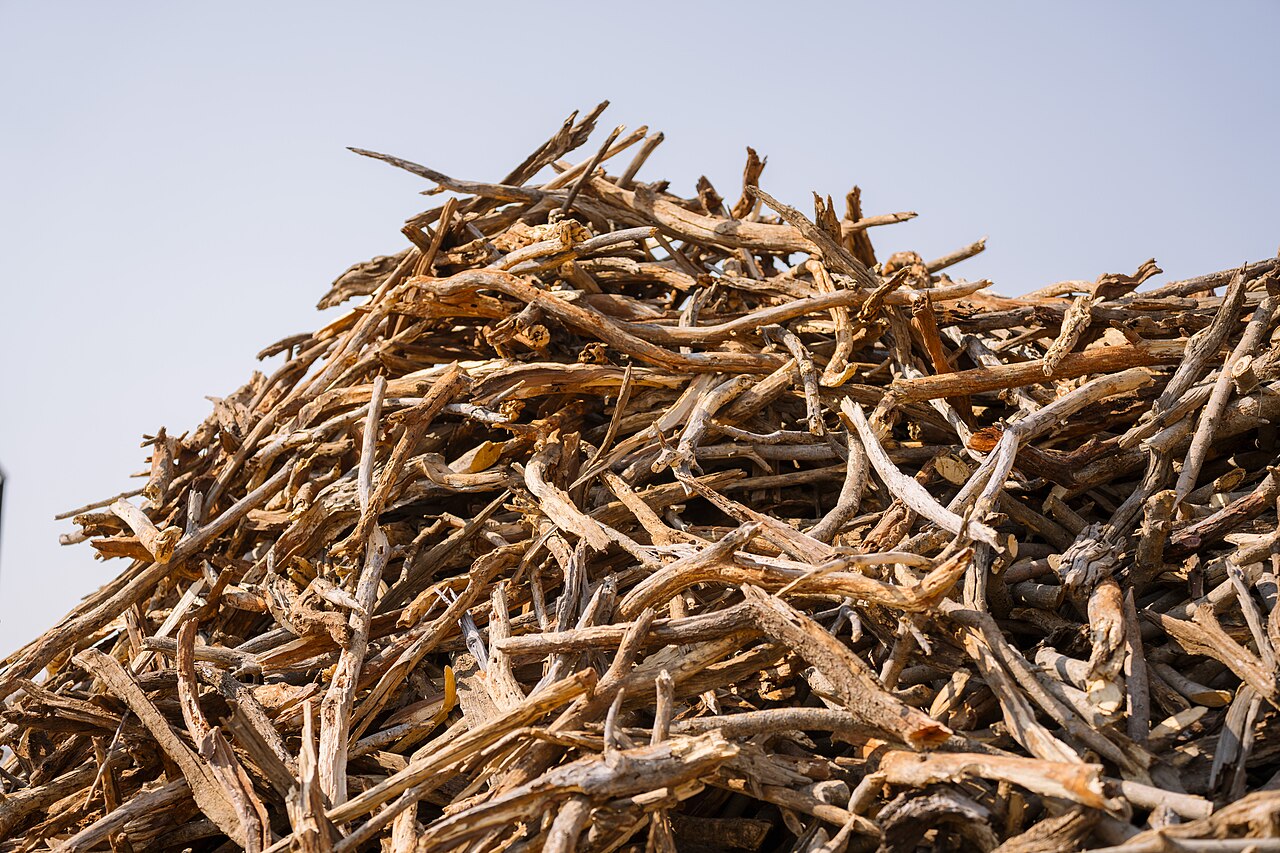
An enormous wood-chip mound with hundreds of feet of water tubing coiled through it. Decomposition heat transfers into the tubing; water goes in cold and comes out hot, continuously, for a year to eighteen months.
The numbers
- Jean Pain's original pile in 1970s Provence was on the order of 50 tons of chips, built with a crew and a machine.
- That pile reportedly produced domestic hot water for 18 months and methane besides.
- Scaled-down household versions produce much less heat for much less time — because the whole effect depends on mass. Heat loss scales with surface area; heat production scales with volume. Halve the diameter and you lose far more than half the performance.
Why it's here
It genuinely works, it has been reproduced repeatedly, and it is a beautiful demonstration that rotting wood is a heat source. It's listed as plausible rather than proven because of what the videos leave out.
The automation angle
Temperature probes at three depths plus an outlet temperature. The curve over the following year is the single most interesting data set anybody on this site is likely to collect.
The catch
Mass is the whole mechanism, and mass is what the videos skip. Build it if you have a chipper, a brush problem, a tractor, and help for a weekend. Don't build it because a ten-minute video made a 50-ton structure look like a Saturday project. When it's done, you also have to take it apart.