The floppy-top fence for groundhogs
A groundhog digs and it climbs. The fix for the climbing is to leave the top foot unattached — and it costs nothing.
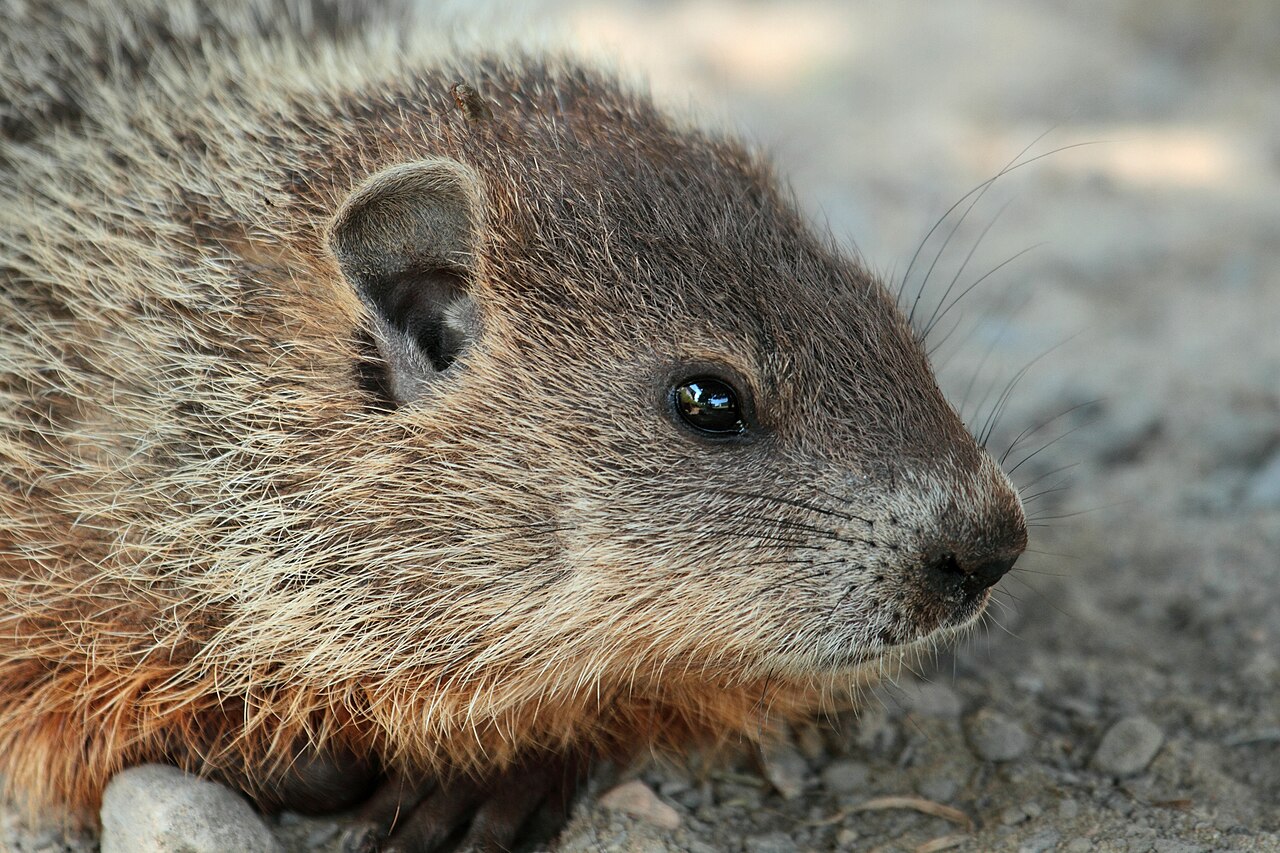
What it is
A three-foot mesh fence with two deliberate design features: an L-shaped apron buried outward at the bottom, and the top twelve inches left loose, not stapled to the posts.
The numbers
- 3 ft tall, 1–2 inch welded wire mesh, T-posts every 6–8 ft.
- Buried 1 ft, bent into an L-apron 8–10 inches wide pointing away from the garden. It digs at the base, hits wire, quits.
- Top 12 inches not attached. It climbs, the loose top bends backward under its weight, and it drops off on the outside.
- Added cost of the floppy top: $0. You simply stop stapling a foot early.
Why it's here
It is the most elegant piece of fence design in this whole index. Most barriers fight an animal with mass and height. This one uses the animal's own weight against it, costs nothing, and needs no maintenance. The same fence stops rabbits if you use 1-inch mesh.
The catch
All three parts or none. A 3-ft fence with no apron is a digging exercise; an apron with a stapled top is a climbing exercise. People build one part, watch it fail, and conclude fencing doesn't work on groundhogs. It works — it just has to be the whole design. The apron also has to go *outward*, away from the garden, which feels wrong and is right.