Sprouted fodder as a feed-cost strategy
One pound of barley becomes seven pounds of fodder. It also becomes 17% less dry matter, and that's the number that feeds the animal.
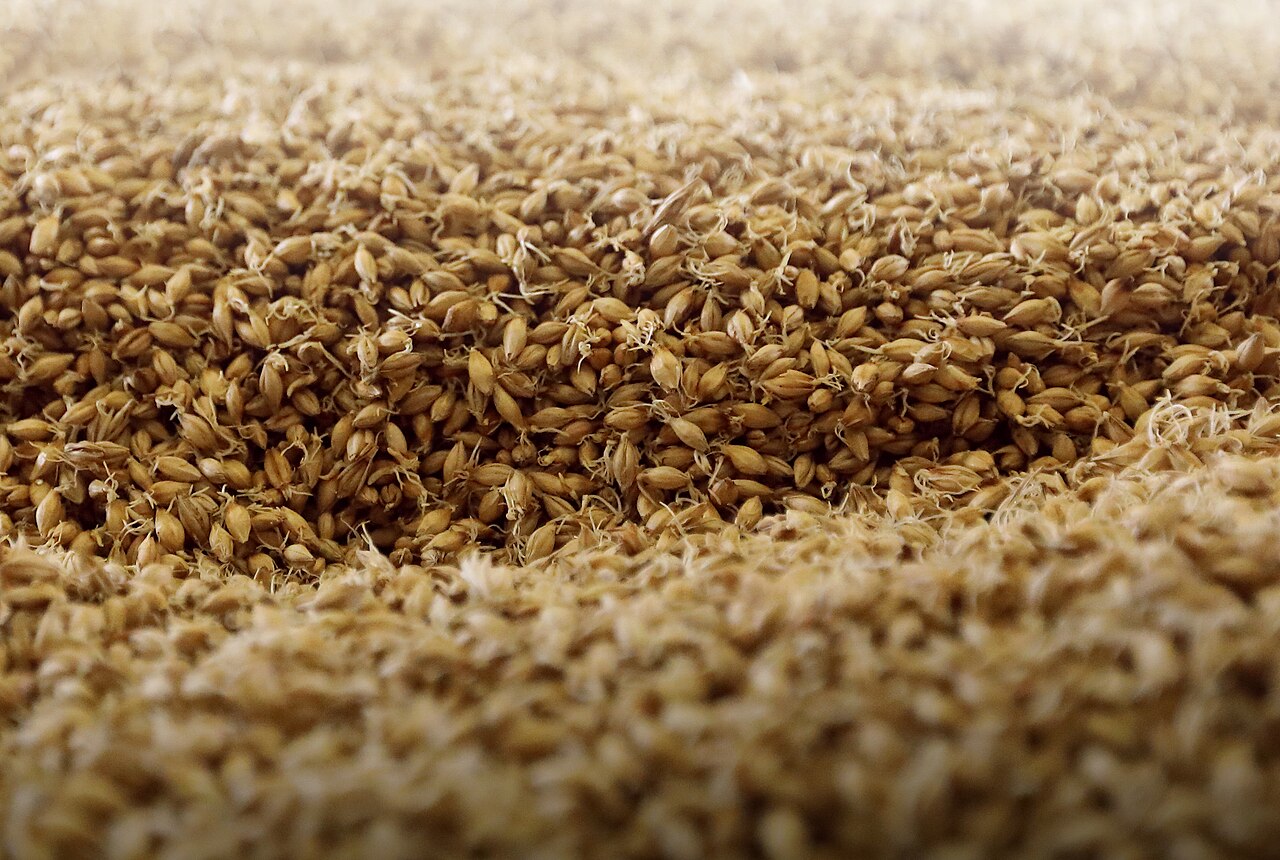
What it is
Sprouting barley or other grain hydroponically on trays for 6–8 days and feeding the resulting mat to livestock, promoted as a way to multiply feed several times over.
The numbers
- The marketing claim is 6–8 lb of fodder per 1 lb of grain — about a 700% gain.
- USDA research got a best-case 327% fresh-weight increase, roughly half the claim.
- And on a dry matter basis there was a 17% LOSS, with a 21% loss in net energy for lactation. The weight gain is water.
- In a feeding trial where 9 kg of fodder replaced 2.7 kg of corn-based concentrate, milk production was unchanged and cows showed higher milk urea nitrogen — they were using protein *less* efficiently.
Why it's here
Because the arithmetic is the whole argument, and almost nobody does it. The grain is 5–10% water; the fodder is 80–85% water. You are watching water get heavier and calling it feed.
The catch
There are legitimate reasons to sprout — fresh green feed in deep winter, palatability, a little vitamin content for a small flock. Those are real and modest. What doesn't survive contact with the data is sprouting as a way to stretch a feed budget, and that's the claim the systems are sold on. If you want one for green feed in January, fine. Just don't put it on the spreadsheet as a saving.