Anticoagulant rodent poison
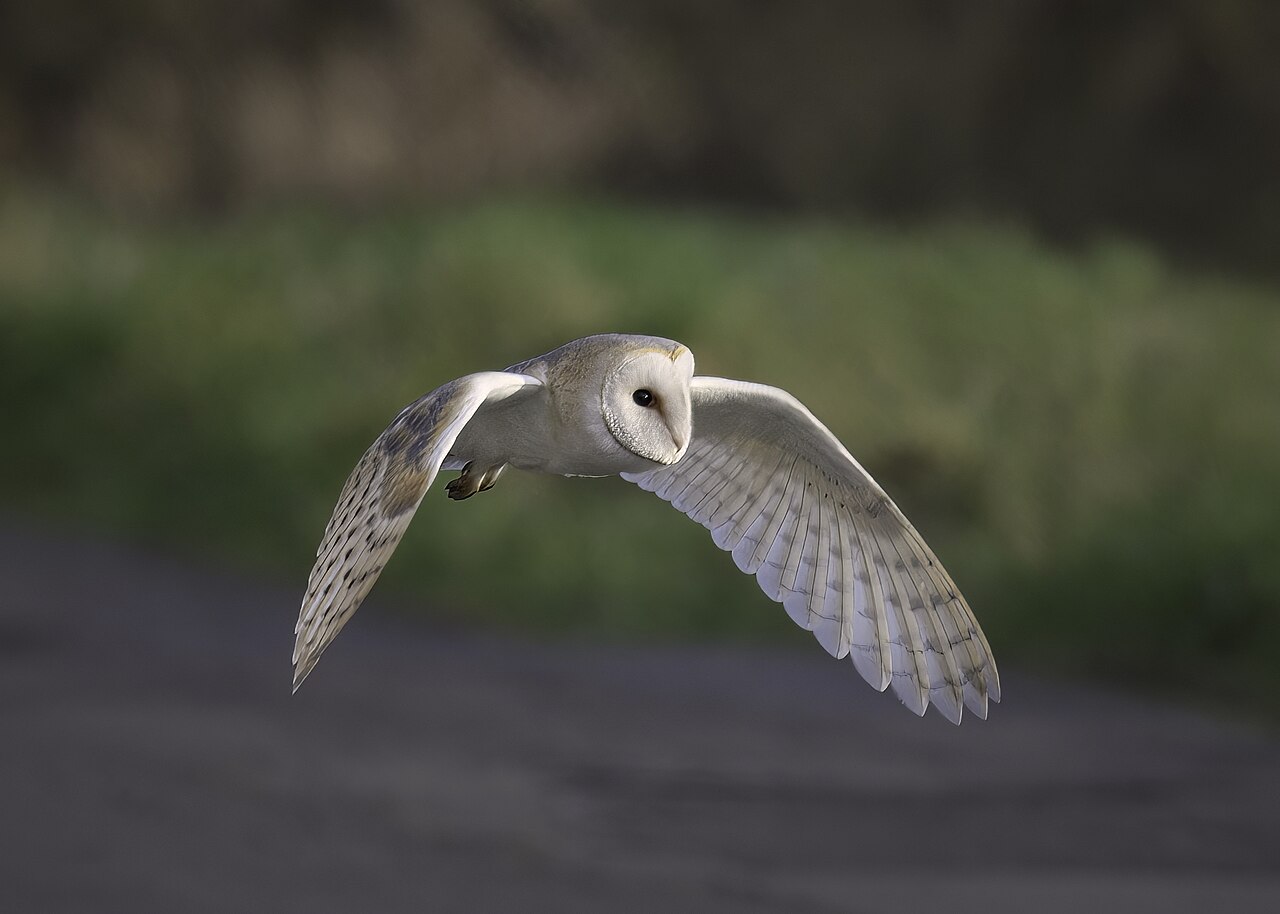
You cannot run a barn owl box and a bait station on the same property. Pick one — and the owl is the better deal.
What it is
Anticoagulant baits put out for rats and mice around barns, feed rooms and storage buildings.
The numbers
- A poisoned rodent does not die immediately. It dies slowly, in the open, moving badly — which makes it unusually easy prey.
- Secondary poisoning is well documented in barn owls, hawks, foxes and bobcats, which are the animals already doing your rodent control for free.
- A nesting pair of barn owls takes on the order of 1,000–3,000 rodents in a season and sends no invoice.
- Rodenticide is also a leading cause of accidental poisoning in farm dogs.
Why it's here
Because it is the clearest example on this site of a solution that destroys the better solution. It is listed ✕ not on sentiment but on arithmetic: you are spending money to remove the most effective, zero-cost, zero-maintenance rodent control you had.
The catch
The honest version isn't 'never, under any circumstances' — it's know exactly what you're trading. If you use bait at all, use tamper-resistant stations, indoors only, never loose in a barn or outbuilding. But the thing that actually ends a rodent problem is the quarter-inch rule and a metal feed can. Poison manages a population that your open feed bag is still feeding.