Plant-ID apps as a food-safety tool
A confident label is not a verification. This is the one entry on this site where being wrong can kill you.
What it is
Using a phone app's image identification to decide whether a wild plant or mushroom is safe to eat.
The numbers
- Models produce a confident-looking answer whether or not they are correct, and confidence is not accuracy.
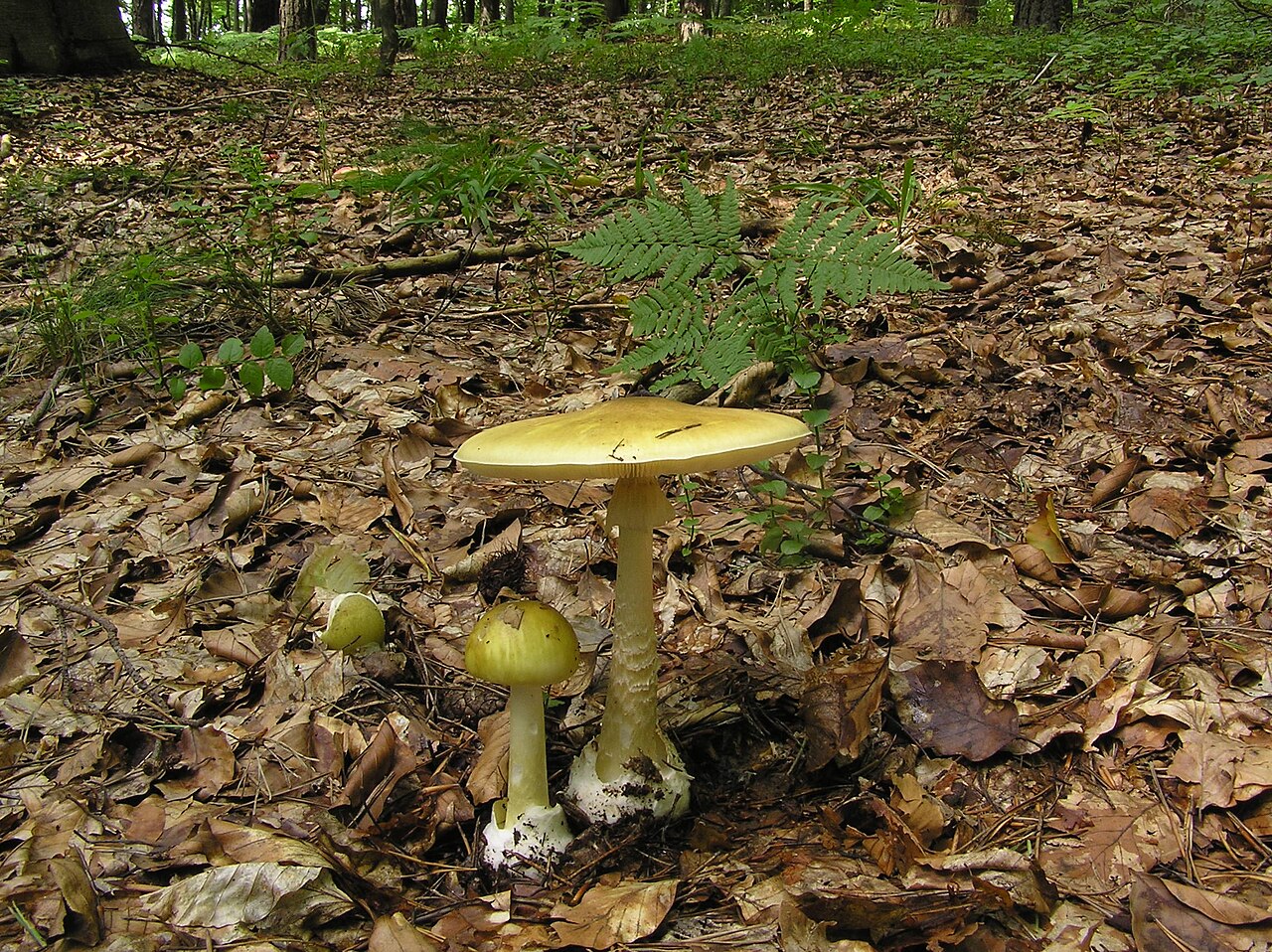
- Many of the worst-outcome lookalikes differ by features a photograph does not capture at all — spore print color, the presence of a volva below the soil line, cut-flesh color change, smell.
- Poison control centers report app-assisted misidentifications. Some of those cases end in a liver transplant.
Why it's here
Because this site is enthusiastic about automation, and this is where the enthusiasm has to stop. A machine that is right 95% of the time is a wonderful tool for nearly everything on this list — and an unacceptable one for a decision with no second chance.
The catch
Use the app to generate a hypothesis, then verify it yourself: a paper key, a paired comparison against the known lookalike, the diagnostic features in your actual hand, slowly, in daylight. Better yet, learn five plants cold from somebody who knows them locally, and eat only those. The rule that has always worked is the one that hasn't changed: if you are not certain, you do not eat it.