Live-trapping and relocating wildlife
It feels like the humane option. It is frequently against the law and it usually kills the animal anyway.
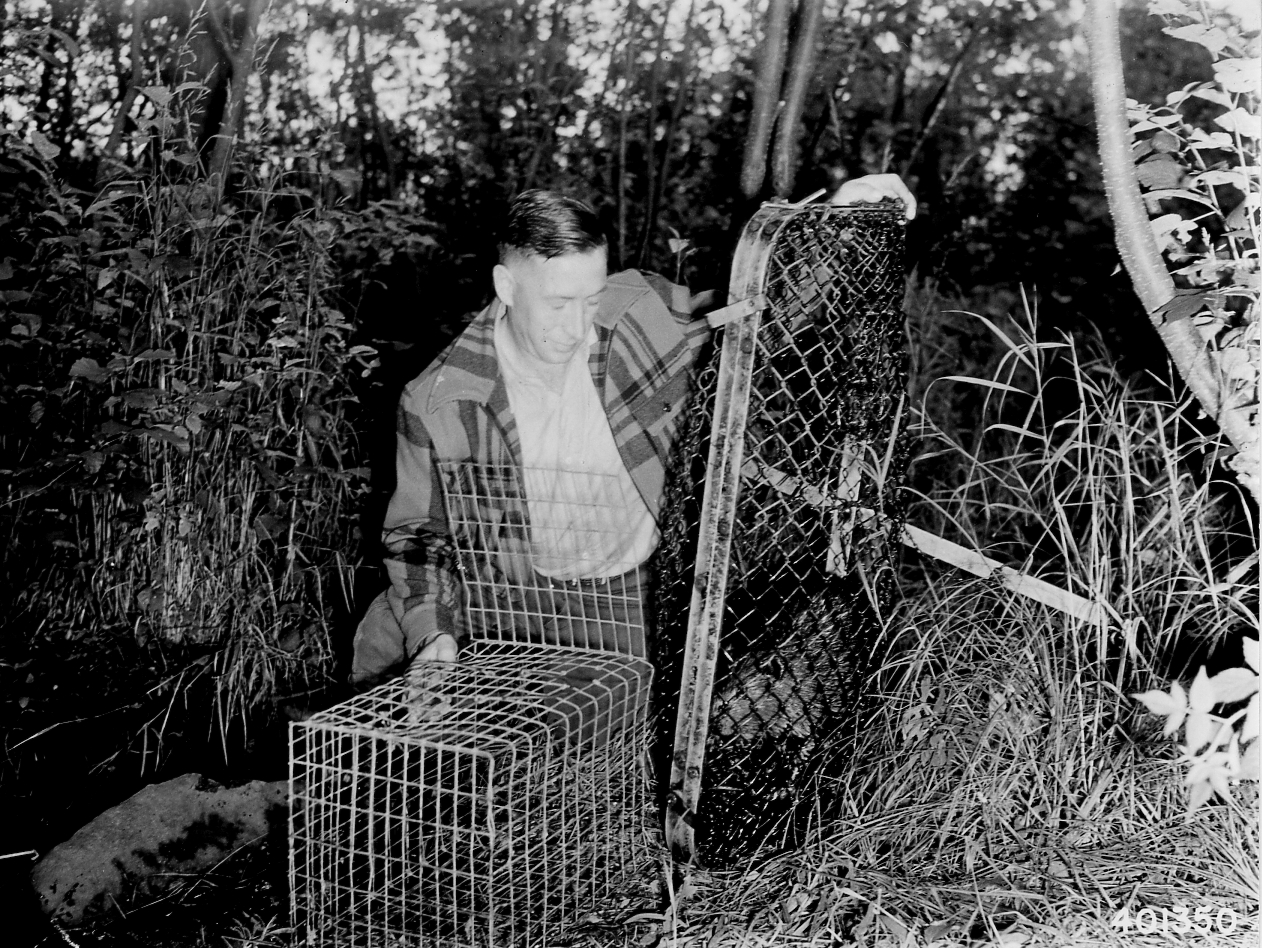
What it is
Catching a groundhog, raccoon, squirrel or opossum in a cage trap and releasing it somewhere else.
The numbers
- In many states, relocating wildlife is illegal — specifically because of disease spread and because it rarely works. Rules vary by state, by county and by species.
- Relocated animals are dropped into another animal's established territory with no den, no cache and no knowledge of water or cover. Survival rates in studies of translocated animals are frequently poor.
- The niche doesn't stay empty. Something else moves into the vacancy, usually within the season, so the problem returns with a different individual.
Why it's here
It's here because it is the option people reach for when they want to do the kind thing, and the kind thing it is not. Knowing that changes what you build instead.
The catch
Check your own state's regulations before you trap anything — this is one of the few topics on this site where the answer is genuinely local law rather than physics. And then do the thing that actually ends the problem: exclusion. A fence does not have to be re-done every time a new groundhog discovers your beans, and it is the only measure here that gets cheaper the longer you own it.