Biochar
Charcoal in the soil, lasting centuries. Put it in raw and it steals a season from you first.
What it is
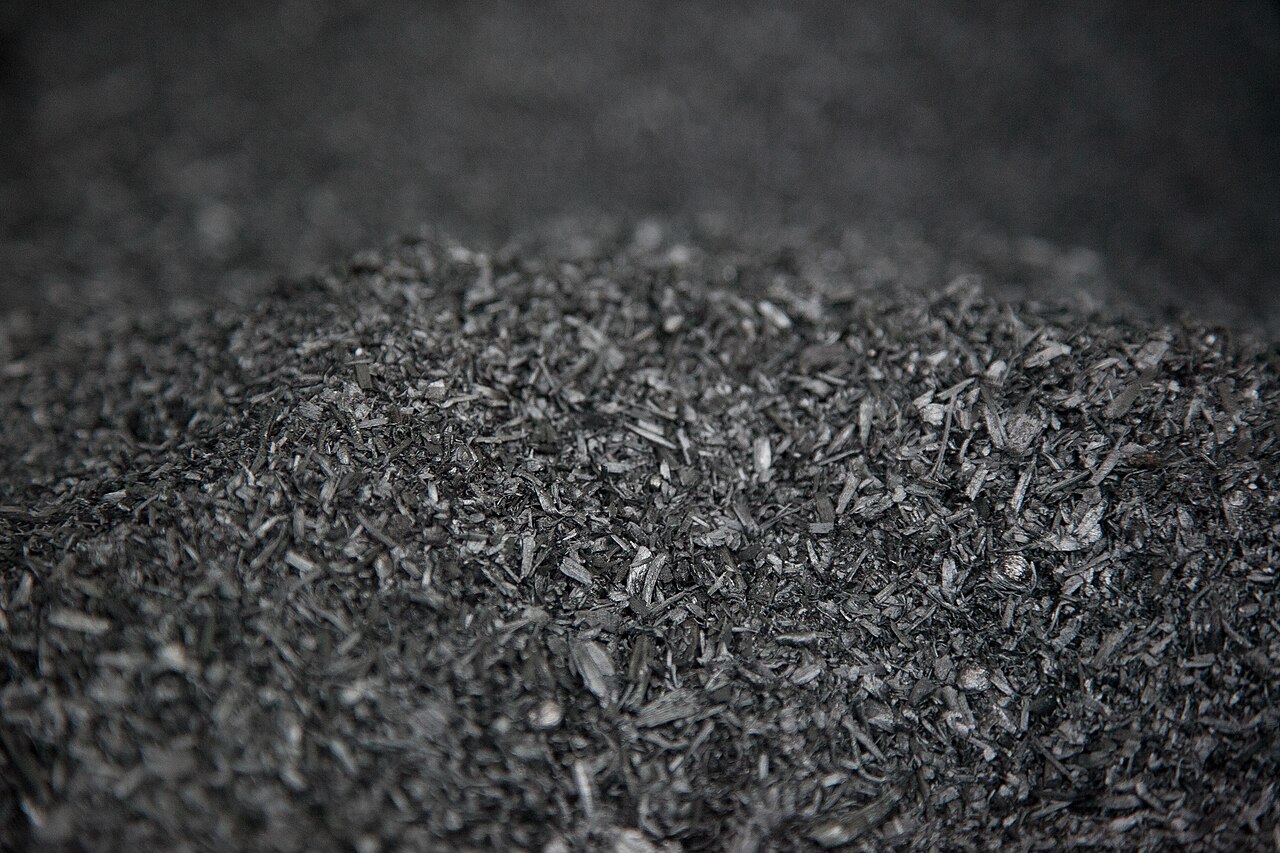
Wood or crop waste burned at low oxygen so it carbonizes rather than ashes, then crushed and worked into soil. The pore structure holds water and gives microbes somewhere to live.
The numbers
- The effect is real and durable — the Amazonian *terra preta* soils are centuries to millennia old and still measurably more fertile than the dirt beside them.
- The biggest, most consistent responses show up in weathered, acidic, low-fertility tropical soils. In good temperate loam, measured responses are much smaller and sometimes nil.
- Raw char has enormous surface area and adsorbs nutrients, so fresh uncharged biochar competes with your plants for nitrogen in the first season.
Why it's here
It's one of the few soil amendments with a multi-century track record, and if you're already burning brush, the marginal cost of making it is close to zero.
The automation angle
Nothing to automate in the making. What's worth automating is the comparison: a soil moisture probe in a charged bed and an uncharged bed, same crop, same water. Two seasons of that is worth more than everything written about biochar on the internet.
The catch
Charge it before you bury it. Soak the crushed char in compost tea, urine, or finished compost for a couple of weeks so the pores load up with nutrients rather than stripping them from your soil. And set expectations by soil type — if you garden on good midwestern loam, the honest expected gain is small.